

Polish Carriers Risk Getting a Bad Holiday Gift
Market Monday - Week 51 - Draft regulation aims to create 40% toll rate hike in Poland

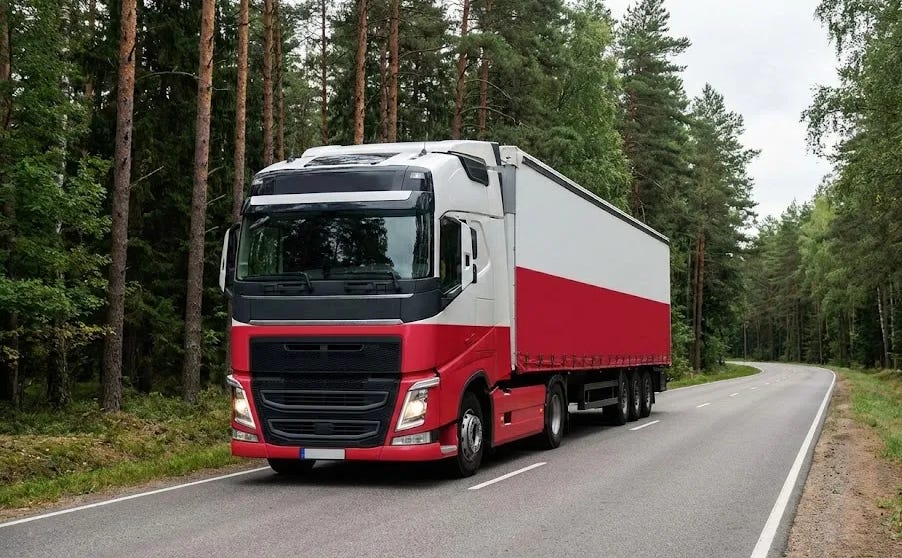
As 2025 comes to an end, the European transport sector cannot allow fall into hibernation. While the peak holiday season is underway, bringing rejections, hiking spot rates and general headaches to market players, the Polish Ministry of Infrastructure has delivered a costly-looking message to the transport sector by publishing draft legislation and launching public consultations on amending the regulation on national roads or their sections on which electronic tolls are collected and the rates of electronic tolls, Project RD247.
This regulation intends to introduce the most significant tolling overhaul in Poland’s recent history, and, considering the first official reactions to the consultations, the Polish government is inclined to follow its hard stance, significantly expanding the tolled network and raising the toll rates.
The current reality is that shippers and carriers active in Poland must prepare for a confusing start to the year involving several distinct rate changes.
1. On New Year’s Day, the existing electronic toll rates will be indexed by the 2025 inflation rate, as required by the current legislation. For a standard heavy truck (over 12t, Euro VI) on motorways and expressways, the rate will increase from the current approximately 0.40 PLN/km to around 0.42 PLN/km, representing a gentle 5% increase.
2. If implemented into valid regulation, Project RD247 on February 1 will override the January rates, introducing a massive fiscal hike and expanding the toll network. The rate for the same Euro VI truck (over 12t) will increase from the January level of 0.42 PLN/km to 0.56 PLN/km, representing a substantial 33% increase over 2025 toll rates. Simultaneously, 645 km of newly tolled road sections will be added to the system. This includes key transit arteries and sections of motorways and expressways, which were previously exempt from tolls.
3. Another draft regulation, Project UC74, is under consideration now within the Polish government. It should implement CO₂ emission-based tolls, in compliance with the EU Eurovignette Directive. It is currently not clear when it will be implemented, though the initial intended date was July 1, 2026 and it is also not clear if this regulation will actually further change toll rates for Euro VI trucks, but it is supposed to offer heavy discounts for Zero-Emission Vehicles and cost penalties for Euro V trucks.
Major industry bodies, including the Association of International Road Carriers (ZMPD) and Transport and Logistics Poland (TLP), lobbied heavily against the scale of the February increases. The industry presented data showing that tolls already constitute nearly 12.8% of operating costs and that a 40% hike during a freight recession could trigger a wave of SME insolvencies. They specifically demanded a separate, lower rate for Euro 6 vehicles to distinguish them from older Euro 5 trucks.
In the consultation report published late last week, the Ministry of Infrastructure mostly objected to these demands, maintaining that the hike is necessary to service the debt of the National Road Fund (KFD) and fund future investments without burdening general taxpayers, which requires additional toll revenue. Regarding the lower rates for Euro VI trucks, the government argued that the current legal framework does not support this split and that such differentiation will only occur when the EU Eurovignette Directive is fully transposed later in the year with the passing of draft project UC74.
Theoretically, the Government has until the second week of January to pass the draft into final regulation and publish it, making it effective from February. However, it is expected to happen by the end of 2025, rather than the second week of January.
All of this means that while carriers may or may not try to issue first extra toll-related surcharges early in January, to cover the immediate 2026 toll increase, a structural rate revision in February will make toll-related rate hikes for affected lanes almost certain.
Oleksandr Kulish
Senior Consultant